Why Established Brands Compare China Streetwear Manufacturers with Local Factories Differently Now?
Many brand teams find out too late that a factory’s location does not guarantee its capability to execute complex streetwear. On paper, a local supplier may look like the safest choice for speed and communication, while an overseas partner might seem like a pure cost-saving play. But for established streetwear brands, this traditional sourcing logic is breaking down. What sounds like a simple sourcing question often turns into a costly lesson in sample-to-bulk consistency, fabric weight control, and specialized finishing techniques.
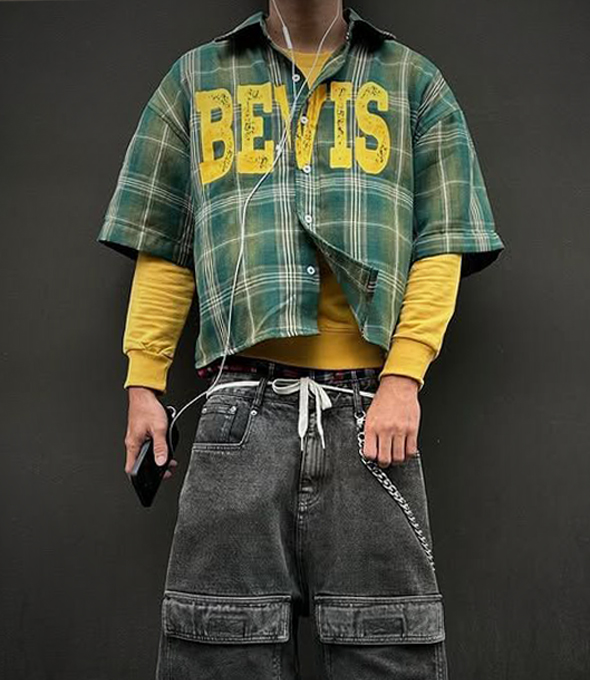
The reality of modern streetwear production is that the market has shifted away from basic logo tees and standard hoodies. Consumers now demand heavier fabrics, intricate acid washes, precise oversized silhouettes, and mixed-media decorations that require a highly coordinated supply chain. When independent brands with real traction evaluate their production partners, they are no longer just comparing shipping times and unit prices. They are comparing which factory actually understands the cultural and technical nuances of streetwear, and which one can repeatedly deliver that aesthetic at scale without losing the intended fit or feel.
Why Does the Definition of a "Good" Factory Change for Streetwear?
For established streetwear brands, a good factory is not just one that can sew garments, but one that understands the specific visual identity, fabric weight, and complex finishing techniques required in modern streetwear. General apparel factories often fail because they treat streetwear like basic casualwear, missing the crucial details in oversized fits, wash textures, and graphic placements.
When procurement teams begin comparing a China streetwear factory with a local supplier, the first realization is usually about specialization. Streetwear is not just another category of clothing; it has its own set of rules. A factory that excels at making corporate uniforms or basic activewear will often struggle with a 400gsm French terry hoodie that requires a specific vintage wash and a distressed hem. The technical requirements for streetwear have escalated significantly. Brands are now asking for enzyme washes, puff prints, rhinestones, and custom cut-and-sew panels all on the same garment.
This complexity means that the evaluation criteria must change. A local factory might offer the advantage of being in the same time zone, allowing for quick studio visits and faster initial sampling. However, if that local factory has to outsource the acid wash to one facility, the embroidery to another, and the custom dyeing to a third, the risk of inconsistency skyrockets. In contrast, specialized streetwear manufacturers in regions like Dongguan or Guangzhou often have these capabilities integrated within a tighter ecosystem. The decision, therefore, shifts from "where is the factory located?" to "how much of the streetwear production process do they actually control?"
The shift in consumer expectations has forced brands to re-evaluate their entire supply chain. A decade ago, a brand might have succeeded by printing a bold graphic on a standard blank tee. Today, the tactile experience of the garment—the drape of the shoulder, the stiffness of the collar ribbing, the exact fade of the pigment dye—is just as important as the visual design. This means that the manufacturer must be a true partner in product development, not just an order taker. They need to understand why a specific wash is necessary to achieve a vintage aesthetic, and they must have the technical expertise to execute that wash consistently across thousands of units.
Furthermore, the cultural context of streetwear cannot be ignored. A factory that doesn't understand the nuances of skate culture, hip-hop aesthetics, or Y2K nostalgia will struggle to produce garments that resonate with the target audience. They might get the technical specifications right, but the "feel" of the garment will be off. This is why established brands are increasingly seeking out manufacturers who specialize exclusively in streetwear, rather than generalists who try to do a little bit of everything.
How Do Local Factories and Chinese Manufacturers Differ in Sample-to-Bulk Consistency?
The biggest difference in sample-to-bulk consistency is that specialized Chinese streetwear manufacturers often have the infrastructure to scale complex techniques reliably, whereas local factories may struggle to maintain consistency when moving from a small sample run to a larger bulk order involving multiple specialized processes.
One of the most common challenges sourcing teams face is the gap between a beautiful sample and a disappointing bulk delivery. A local factory might produce an incredible prototype because the sample room technicians gave it their undivided attention. But when that same complex design—perhaps a boxy-fit hoodie with a cracked screen print and raw edges—moves to the main sewing floor, the lack of standardized bulk-ready systems can lead to variations in sizing, print placement, and wash intensity.
On the other hand, an experienced streetwear clothing manufacturer in China is typically built around repeatable execution. These factories are accustomed to handling larger volumes of technically demanding garments. They have established protocols for tech pack reviews, fabric pre-shrinking, and in-line quality control specifically tailored for streetwear. For instance, they know that an oversized fit isn't just about grading up a standard pattern; it requires rebalancing the shoulder drop and sleeve volume. When established brands evaluate these partners, they are looking for this level of production discipline. They need to know that the 500th piece off the line will look and feel exactly like the approved pre-production sample.
The challenge of sample-to-bulk consistency is particularly acute when dealing with complex finishing techniques. Consider the process of creating a heavily distressed, acid-washed denim jacket. In the sample room, a skilled technician might spend hours carefully applying the acid wash and manually distressing the edges to achieve the perfect vintage look. But when that jacket goes into bulk production, the factory must find a way to replicate that exact look across hundreds or thousands of units, using industrial washing machines and standardized distressing protocols.
This is where the operational maturity of the manufacturer becomes critical. A specialized factory will have detailed standard operating procedures (SOPs) for every step of the process, from the exact temperature and duration of the acid wash to the specific tools and techniques used for distressing. They will also have rigorous quality control checkpoints throughout the production line to catch any deviations from the approved sample. In contrast, a less experienced factory might rely too heavily on the individual skill of the workers, leading to significant variations in the final product.
What Are the Hidden Risks When Comparing Quotes from Different Regions?
When comparing quotes, the hidden risk is that a lower price often assumes lighter fabrics, simpler construction, and less rigorous quality control. Brands must ensure they are comparing identical specifications, as a cheap quote from a general factory can lead to expensive downstream problems like inconsistent sizing or poor wash execution.
It is a common misconception that sourcing from China is purely about finding the lowest price. While cost efficiency is a factor, established streetwear brands know that the cheapest quote is rarely the best value. When a procurement team receives a quote from a local supplier and one from an overseas partner, they must look beyond the bottom line. A local factory might quote a higher price but offer faster turnaround times for replenishment. However, if their quote assumes a standard 250gsm fleece instead of the requested 400gsm heavyweight cotton, the comparison is flawed.
Similarly, some manufacturers, such as Groovecolor, focus specifically on heavyweight fabrics and complex finishing techniques used in modern streetwear collections. When comparing a specialized partner like this against a general apparel factory, the quote might reflect the added cost of rigorous wash testing and custom trim sourcing. The true cost of production includes the time spent managing the supplier, the risk of delayed launches due to rework, and the potential damage to brand reputation if the final product feels cheap. Therefore, mature brands evaluate quotes based on the total value of reliable execution rather than just the unit cost.
Another hidden risk in quote comparison is the assumption of standard tolerances. In general apparel manufacturing, a certain degree of variation in sizing or color is often considered acceptable. But in premium streetwear, where the exact drape of an oversized tee or the precise placement of a graphic is critical to the design, those standard tolerances are often too loose. A specialized streetwear manufacturer will typically build tighter tolerances into their pricing, reflecting the additional time and effort required to maintain strict quality control.
Brands must also consider the cost of communication and project management. Working with a local factory might seem easier because of the shared time zone and language, but if that factory lacks experience with complex streetwear techniques, the brand's product development team may end up spending countless hours explaining the nuances of the design and troubleshooting production issues. Conversely, an experienced overseas manufacturer might require more effort to manage across time zones, but their deep understanding of streetwear production can ultimately save the brand time and money by reducing the need for constant oversight and rework.
Why Is Supply Chain Depth Crucial for Complex Streetwear Development?
Supply chain depth is crucial because modern streetwear requires a wide variety of custom fabrics, specialized trims, and advanced finishing techniques. A manufacturer with deep local supply chain connections can source and integrate these elements faster and more reliably than a factory operating in an isolated ecosystem.
The development of a premium streetwear collection often involves sourcing materials that are not readily available off the shelf. A brand might need a specific shade of garment-dyed heavy cotton, custom-molded zippers, and high-density embroidery threads. This is where the depth of the regional supply chain becomes a deciding factor. In major manufacturing hubs in China, the proximity of fabric mills, dye houses, and trim suppliers creates a highly efficient ecosystem. A specialized custom streetwear clothing manufacturer can quickly source, test, and iterate on these components without significant delays.
In contrast, a local factory in the US or Europe might have excellent cut-and-sew capabilities but lack immediate access to this diverse material network. If they have to import the custom fabrics and trims before they can even begin production, the lead time advantage of being local quickly diminishes. For brands with validated market demand, the ability to execute complex designs without being bottlenecked by material sourcing is a major competitive advantage. This is why many independent brands with real traction ultimately choose partners who are embedded in deep, specialized supply chains, ensuring that their creative vision is not compromised by logistical limitations.
The importance of supply chain depth extends beyond just sourcing materials; it also encompasses the availability of specialized subcontractors. As mentioned earlier, modern streetwear often involves multiple complex finishing techniques, such as screen printing, embroidery, appliqué, and various types of washes. While some large manufacturers might have all of these capabilities in-house, many rely on a network of specialized subcontractors.
In a deep supply chain ecosystem like those found in certain regions of China, a manufacturer can easily coordinate with these subcontractors, ensuring that each step of the process is executed by experts. They can send the garment panels to a specialized print shop for a high-density puff print, then to an embroidery facility for intricate detailing, and finally to a wash house for a custom enzyme wash, all within a tight geographic radius. This level of coordination is much more difficult to achieve in regions with shallower supply chains, where the manufacturer might have to ship the garments across the country or even internationally to access the necessary specialized services.
How Do Brands Evaluate the Technical Capabilities of a Streetwear Manufacturer?
Brands evaluate technical capabilities by looking beyond the factory's portfolio and examining their specific processes for handling heavyweight fabrics, complex washes, and intricate decorations. They assess the manufacturer's ability to proactively identify design risks, their understanding of streetwear-specific fits, and their protocols for maintaining consistency across different production runs.
When established streetwear brands evaluate potential manufacturing partners, they don't just look at the finished products in the factory's showroom. They dig deep into the technical processes that created those products. They want to know how the factory handles the unique challenges of streetwear production, such as the shrinkage issues associated with heavyweight cotton or the potential for color bleeding in complex garment washes.
One key area of evaluation is the factory's approach to tech pack review. A strong partner will not simply accept a tech pack and start cutting fabric. Instead, they will carefully analyze the design, looking for potential production risks and suggesting improvements. For example, if a brand requests a large, heavy embroidery on a relatively lightweight fabric, an experienced manufacturer will flag the risk of puckering and suggest either using a heavier fabric or adding a stabilizer to the embroidery. This proactive approach to problem-solving is a hallmark of a truly capable streetwear manufacturer.
Another critical factor is the factory's understanding of streetwear-specific fits. As discussed earlier, an oversized fit is not just a larger version of a standard fit; it requires a fundamentally different approach to pattern making. Brands will often ask the manufacturer to produce a sample of a complex silhouette, such as a boxy, cropped hoodie with dropped shoulders, to assess their pattern-making skills. They will look closely at the balance of the garment, the drape of the fabric, and the execution of the specific design details.
Finally, brands evaluate the manufacturer's protocols for maintaining consistency. They want to know how the factory ensures that the wash intensity, print placement, and sizing remain consistent across different production runs and even across different sizes within the same run. This involves examining the factory's quality control procedures, their use of standardized templates and jigs, and their approach to training and managing their workforce.
What Role Does Communication Play in Managing Complex Streetwear Production?
Communication is critical in managing complex streetwear production because it bridges the gap between the brand's creative vision and the factory's technical execution. Effective communication involves clear, detailed tech packs, regular progress updates, and a shared understanding of the specific aesthetic and quality standards required for premium streetwear.
The relationship between a streetwear brand and its manufacturer is fundamentally a collaborative one. The brand provides the creative vision, and the manufacturer provides the technical expertise to bring that vision to life. But this collaboration can only succeed if there is clear, effective communication between the two parties.
This communication starts with the tech pack. A comprehensive tech pack is the foundation of successful streetwear production. It should include detailed technical drawings, precise measurements, specific fabric and trim requirements, and clear instructions for any specialized finishing techniques. But even the best tech pack cannot anticipate every potential issue that might arise during production. This is why ongoing communication is so important.
Established brands expect their manufacturing partners to provide regular progress updates, including photos and videos of the production process. They want to be informed immediately if there are any issues with material sourcing, sample execution, or bulk production. And they expect the manufacturer to be proactive in suggesting solutions to these issues.
But effective communication is not just about exchanging information; it's also about building a shared understanding of the brand's aesthetic and quality standards. This requires the manufacturer to truly understand the cultural context of streetwear and the specific nuances of the brand's design language. When evaluating an industry comparison of specialized streetwear apparel manufacturers, brands should look for partners who demonstrate this level of understanding and who are committed to building a long-term, collaborative relationship.
How Should Brands Structure Their Long-Term Manufacturing Partnerships?
Brands should structure long-term partnerships by aligning with manufacturers that offer strategic flexibility for validated concepts and have the operational maturity to support scaled production. This involves moving beyond transactional orders and integrating the manufacturer into the brand's product development and launch planning processes.
As streetwear brands grow and their sales channels become more established, their relationship with manufacturers must evolve. It is no longer sustainable to jump from one factory to another in search of the best price for each collection. Instead, successful brands build long-term partnerships with suppliers who understand their aesthetic and quality standards. This means treating the manufacturer as an extension of the internal product development team.
When evaluating potential partners, brands should look for factories that proactively flag design risks during the tech pack review stage. A strong partner will advise on how a specific wash might affect the shrinkage of a custom panel or suggest a better printing technique for a particular fabric blend. By establishing clear communication channels and standardized approval processes, brands can reduce the friction between design intent and production reality. Ultimately, the goal is to build a manufacturing system that can reliably support seasonal drops and rapid replenishments, allowing the brand to focus on growth and creative direction rather than constantly putting out production fires.
This long-term approach also involves a shift in how brands view the cost of production. Instead of focusing solely on the unit price of each garment, they consider the total value of the partnership. This includes the manufacturer's ability to consistently deliver high-quality products on time, their willingness to invest in new technologies and capabilities, and their commitment to supporting the brand's long-term growth objectives. By building strong, collaborative relationships with their manufacturing partners, established streetwear brands can create a resilient and adaptable supply chain that can navigate the complexities of the modern fashion industry.
Conclusion: The Future of Streetwear Sourcing
The landscape of streetwear manufacturing is becoming increasingly sophisticated. As consumer expectations for quality, fit, and tactile experience continue to rise, the traditional debate between local and overseas production is being reframed. It is no longer just a question of geography; it is a question of capability, consistency, and cultural understanding. Established streetwear brands must prioritize partners who can navigate the complexities of heavyweight fabrics, intricate washes, and precise silhouettes. Whether choosing a specialized factory in China or a highly capable local supplier, the most successful brands will be those that build robust, long-term relationships based on shared standards and reliable execution. The future of premium streetwear production belongs to those who view manufacturing not as a transactional necessity, but as a strategic advantage.
Comments on “Custom Jacket Manufacturer vs. OEM Jacket Manufacturer — Which Model Actually Protects Your Streetwear Collection?”