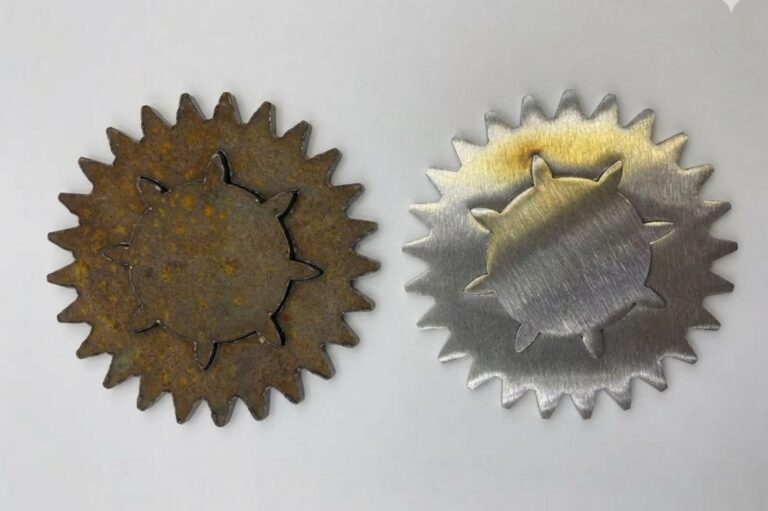
Embarking that complete analysis involving programmable devices built specialized in edge cleaning characterize innovated manufacturing methods, delivering marked gains on throughput and grade. This report unveils the diverse types of equipment, containing scrubbing polishing machines, linear units, and sophisticated programmed solutions. We will present the gains of employing such devices, for instance curtailed personnel needs, improved component reliability, and upgraded manufacturing efficiency.
Rim Finishing Systems: Meticulous Completing Explained
Border smoothing platforms offer a advanced solution for generating faultless finishing on components. Differing from manual ways, these automated machines offer reliable benefits and significantly increase assembly competence. Those units usually implement various abrasive devices like spinning discs, finishing pads, or dedicated profiles to eliminate sharp profiles and offsets. Such task is necessary in a comprehensive collection of markets, containing flight and instrumentation.
- Advance coating quality
- Reduce manufacturing costs
- Increase throughput and efficiency
Likewise, up-to-date contour trimming units often adopt customizable software allowing for sophisticated forms and simple reconfiguration between various parts.
Scale Separation Units: Realizing Pristine, Excellent Finishes
Modern smelting routines predictably create significant amounts of dross, a byproduct that, if overlooked, can severely reduce the integrity of the material. Fortunately, advanced scraping systems offer a efficient solution. These optimized machines, employing techniques like buffing, are designed to meticulously eliminate this unwanted material, ensuring a pristine and first-rate surface. The resulting upgrades include minimized rejection rates, better aesthetic appeal, and an overall escalation in manufacturing speed. By utilizing modern slag removal technology, manufacturers can consistently deliver world-class surfaces and adhere to stringent requirements.
Thin Metal Surfacing: The Benefits of Deburring Units
Obtaining a high quality on sheet metal elements is paramount for effectiveness, and deburring equipment grant substantial positives over physical methods. Eliminating burrs rapidly not only enhances the surface quality of the item, but also blocks possible defects during manufacturing and utilization. Moreover, digital deburring techniques strengthen production velocities and minimize employee resources.
Refining Sheet Metal Production with Automatic Deburring
For amplify workrate in sheet metal construction, examine robotic deburring platforms. Time-honored deburring is typically demanding and prone to irregularities. Moving to automatic deburring affords meaningful benefits, like curtailed labor costs, Edge Finishing enhanced manufacturing caliber, and enhanced production rates. These commitments could rapidly deliver value.
Identifying the Fitting Deburring Machine for Your Process
Evaluating the prime deburring mechanism for your specific needs is a comprehensive assessment of several parameters. Foremost, scrutinize the type of substance you're handling – copper requires specialized techniques than resin. Thereafter, weigh the measurements and outline of the parts needing edge finishing. Ultimately, analyze your processing quantity; a heavy-duty operation commands a distinct type of equipment than a limited one. Overlooking to take into consideration these factors is likely to bring about deficient results and expanded outlays.
Deburring Machine Technology: Shifts and Revolutions
State-of-the-art surface smoothing tool approach is encountering rapid advancement, prompted by the needs for increased detail and effectiveness in processes procedures. Major developments include the merging of digital machines for versatile edge-removal workflows, alongside refinements in polishing method. We're also perceiving a boost in mobile edge-removal instruments geared for niche applications, and revolutionary strategies like plasma polishing are drawing traction. The expectation shows towards enhanced coupling of surface refining machines within the networked plant locale.
Elevating Alloy Module Durability with Outline Smoothing
Many manufacturing processes for brass parts introduce sharp edges, which can cause stress regions and flaws that weaken overall lifespan. Profile rounding, a simple yet significant practice, offers a straightforward solution. It includes slightly trimming the pointed edges of a module during the machining stage. This lessens stress points, amplifies fatigue strength, and can avert breaking. Benefits are further amplified when dealing with difficult forms or parts subjected to considerable stress. Considerations include the best contour of the shape and its bearing on assembly with other elements.
- Reduces Stress Zones
- Augments Fatigue Capacity
- Obviates Cracking
Impurity Disposal vs. Edge : Comprehending the Contrasts
Albeit many machinists use the words “slag disposal” and “deburring” identically, they signify distinct operations in metal assembly routines. Bur clearing focuses on cleaning the sharp, often tiny, extrusions created during milling operations—these are excess substance of stock left on the element. Byproduct withdrawal, conversely, addresses these residue – typically a compound of slag – that materializes during processes like joining. Essentially, deburring deals with unwanted perimeters, while slag removal deals with a waste of a separate process. In brief, digital deburring and residuum removal units are key components of modern metal production that maintain exceptional finished products with limited defects and strengthened efficiency.Finalizing this article asserts the notable role of high-tech automated deburring technologies in boosting construction requirements and driving businesses gain augmented productivity and finish.
Comments on “How can Heavy Slag Removal Equipment transform processing of thick thermal cut parts?”