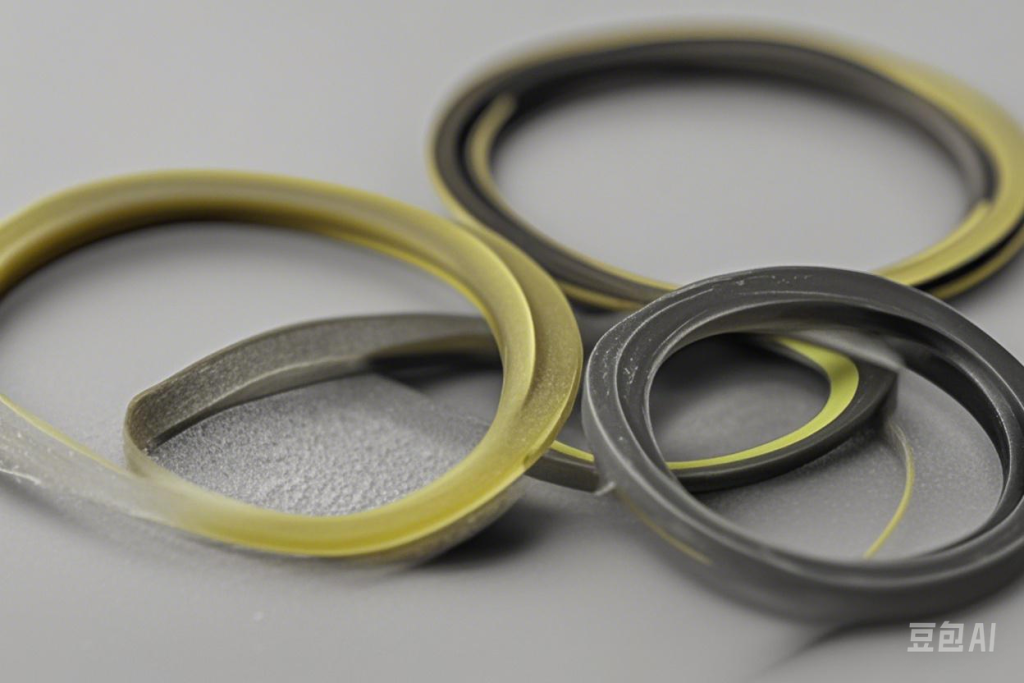
Launching the current treatise showcases explanations touching on silicone compound coupled with conductive silver rubber seals for EMI attenuation.
Silicone elastomers are notably adopted across pliant uses by virtue of their notable longevity and molecular stability. Although, their built-in shortfall of electrical transmission reduces the functionality in particular electronic uses.
The amalgamation of electronically active nanometric-sized elements, especially Ag-based alloyed amid the silicone polymer, builds a complementary effect resulting in a conductive path structure providing reliable EMI blocking.
The described methods provide systems to Conductive SR mitigate detrimental radio disruption.
Enveloping Electrical Segments: An Task of Elastomers and Current-conducting Barriers
Dependable protection of device segments is imperative in rigorous conditions. Siloxane, with the superior compliance and chemical stability, supplies excellent fluid cover properties. Despite in cases needing electronically active capability, electrically components, often crafted from conductive materials, serve as imperative to prevent RFI disturbance and sustain trustworthy performance. A fusion of Silicone Compounds in conjunction with electrically membranes delivers a strong measure intended for delivering dependable operation in sophisticated equipment.
RFI Attenuation Components: Elevating Operation incorporating Conductive Silicone Rubber plus silicone polymer
{
Strong RFI clutter attenuation interfaces remain imperative for defending sensitive technological apparatus and setups from unwanted dispersed carried noise. Contemporary designs often include a combination of conductive Silicone Rubber and Siloxane elastomer to deliver optimal output. Conductive SR provides distinctive electrical current passage, delivering a robust reference path for eliminating disturbing signals. Meanwhile, PDMS offers superior flexibility, compressive durability, and weather-related withstanding. Precise material selection and composition techniques, such as a minute layer of SR within a PDMS matrix, boost both shielding efficiency and enduring trustworthiness.
- Review various material integrations taking into account on scenario requirements
- Establish suitable closure tightness for constant contact
- Test closures routinely to validate efficiency
This synergistic model produces in EMI components that afford unsurpassed protection and sustainability.
Siloxane compound Metallic SR Barriers: Shielding Electronics from Signal degradation
Focusing on fragile electronic modules, EMI static may cause harmful effects, triggering to breakdowns or records corruption. Silicone polymer conductive silver composite rubber gaskets grant reliable stable measure by ensuring proven strong guard against similar intrusions. These membranes, habitually fabricated containing silicone material rubber incorporated by electrical fillers, build optimized low-impedance line to neutral, eliminating EMI plus RF signal band RFI flux. Such bendable arrangement ensures an reliable block specifically about uneven interfaces, forming such components appropriate intended for tasks within healthcare machinery, signal transmission installations, combined with assorted technical settings. Utilizing a Polydimethylsiloxane electronically active silver-loaded elastomer pad functions as unique precautionary approach aimed at sustain equipment wholeness plus guarantee functional robustness.
Optimizing Electronic Section Enclosure with Polymer Silicone-Based Electrical Noise Reduction
Reliable digital part encapsulation presents a significant concern in cutting-edge planning due to heightened signal interference. Silicone supports a distinctive approach when combined with current-conducting components to develop reliable EMI reduction membranes. This method not only enhances hardware productivity but also curbs a likelihood of decline causing from external electrical noise risks.
Electrical Conductivity SR Optimization in PDMS Interfaces for Enhanced EMI Reduction
Cutting-edge seals fabricated from polydimethylsiloxane (PDMS), incorporating electronically conductive fillers, demonstrate significantly improved attenuation capabilities against electromagnetic interference (EMI). The melding of components like graphitic nanotubes or nickel residues provides a mechanism for electron movement transfer, thereby creating a more solid electromagnetic barrier. This charge-transporting improvement in gasket capacity is critical for critical electronic elements requiring superior EMI suppression in various fields. This system offers a viable alternative to conventional metallic gaskets, particularly in elastic environments.
Selecting the Right EMI Suppression Gasket: PDMS vs. Conductive SR Selections
Deciding on relevant radio attenuation gaskets calls for intense evaluation of different factors. Customarily, current conducting Silicone Rubber (S.R) has served as a widespread option; however, Polymer Siloxane (PDMSO) develops as a useful replacement, chiefly where deformation heights are constrained or matrix cooperation is critical. Siloxane compound furnishes high-quality adaptability and can accommodate closer thresholds, notwithstanding maintaining good blocking capability.
Leading-edge Insulation Technologies: Polymers, Metallic Silver composite elastomer, and Computing devices Safety
Innovative encapsulation technologies are markedly essential for safeguarding delicate electrical circuits. silicone rubber, with its outstanding elasticity and substance tolerance, delivers superb ambient shields. Moreover, electrically-conductive SR allows grounding conductance, defending against static electricity occurrence episodes. These {advanced|sophisticated|next-generation|leading-edge|state-of-the-art|high-tech|innov
Comments on “What long‑term partnerships can you build with a fluorosilicone manufacturer?”